
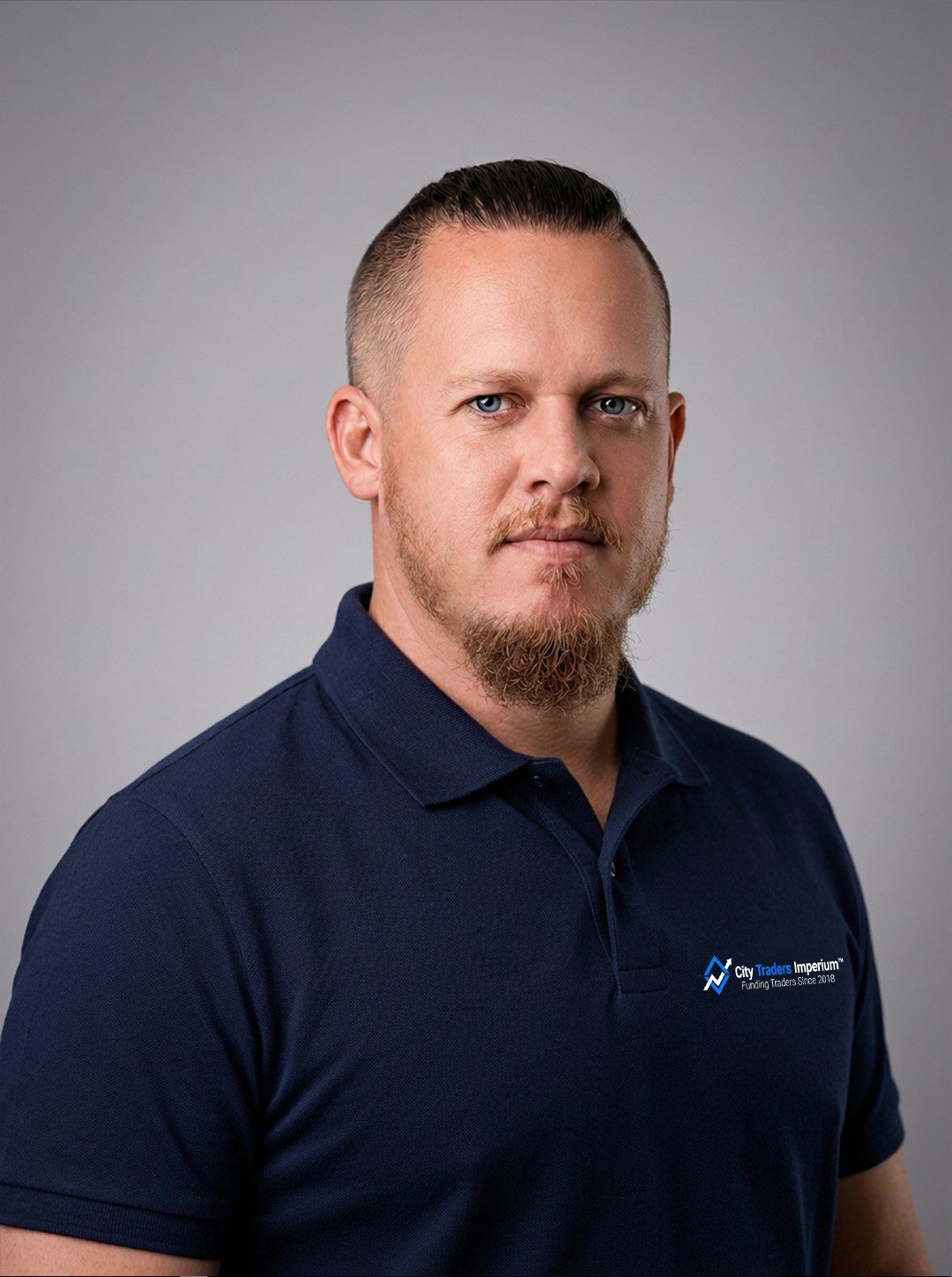

Emmanuel’s trading journey is a story of perseverance. After losing his initial 50k funded account due to over-trading and forcing trades, he took a step back to reassess his approach. With renewed focus, he passed two direct-funded 50k accounts and now manages $200,000 as a CTI portfolio manager. Emmanuel explains the mindset shifts and strategy refinements that led to his success.https://youtu.be/46-bcVcYVyE
| Field | Details |
|---|---|
| Program | CTI Funded Account |
| Result | PASSED & PAID ✅ |
| Recent Payout | $7,000 (Multi-account success) |
| Win Rate | 60% – 70% (High strike rate) |
| Relative Drawdown | 3.16% (Maintained during 10% profit run) |
| Experience | 10 Years (Decade of market expertise) |
| Risk Management | 1% per trade (Process-driven consistency) |
| Trading Philosophy | “Simple is Best” (Institutional business approach) |
| Efficiency Edge | Strategic lifestyle balance (Travel/Business integration) |
| Validation | ✅ Validated by CTI Risk Team |
Key Takeaways for Traders
Don’t Force Trades:
Only enter trades that meet all your criteria. Forced trades lead to losses and frustration.View Trading as a Long-Term Business:
Success in trading takes time, effort, and patience. There are no shortcuts.Stick to Your Process:
Consistency comes from following a strict process and not deviating from your plan.Refine Your Mindset:
Trading requires mental discipline. Learning to be patient and unemotional about trades is key to long-term success.
Introduction
Emmanuel’s trading journey is a story of perseverance. After losing his initial 50k funded account due to over-trading and forcing trades, he took a step back to reassess his approach. With renewed focus, he passed two direct-funded 50k accounts and now manages $200,000 as a CTI portfolio manager. Emmanuel explains the mindset shifts and strategy refinements that led to his success.
Background
Emmanuel had already passed a CTI evaluation last year, receiving a 50k funding account. However, after some missteps, he lost that account. Determined to recover, Emmanuel made changes to his approach and purchased two direct-funded accounts. Today, he manages $200,000 across various platforms, with CTI being one of his main sources of capital.
Key Challenges
Over-Trading and Forcing Trades:
Emmanuel realized that many of his trades were forced and didn’t fully meet his strict criteria. This led to losses and eventually the disqualification of his first funded account.Lack of Strict Discipline:
Early in his career, Emmanuel often deviated from his trading plan, especially when the markets didn’t offer clear setups.
Turning Point
After losing his initial 50k account, Emmanuel spent two months analyzing his trades and refining his processes. He noticed that 60% of his trades were forced, which highlighted the need for stricter discipline. After backtesting and implementing a more refined approach, Emmanuel’s results improved significantly.
Strategy and Approach
Emmanuel is a swing trader who spends no more than an hour a day reviewing charts. His strategy focuses on strict criteria for trade setups, with a clear process that doesn’t allow deviations. He trades based on technical patterns and prefers a risk-to-reward ratio of 2 to 2.5R. He also emphasizes the importance of patience and only trades when all criteria are met.
How He Overcame His Challenges
Refining His Trading Process:
Emmanuel took a step back, backtested his strategy, and ensured he only entered trades that met all of his criteria. This significantly reduced over-trading.Discipline and Patience:
He developed the discipline to wait for valid setups, reducing impulsive and forced trades.Viewing Trading as a Business:
Emmanuel now treats his trading as a business, understanding that setbacks are part of the journey, much like the cost of goods in other industries.
Current Process and Success
- Emmanuel currently manages $200,000 in CTI-funded accounts.
- He spends minimal time on the charts and has streamlined his process to a simple yet effective approach.
- His win rate hovers around 60-70%, and he uses a risk management strategy where he risks no more than 1% on each trade.